
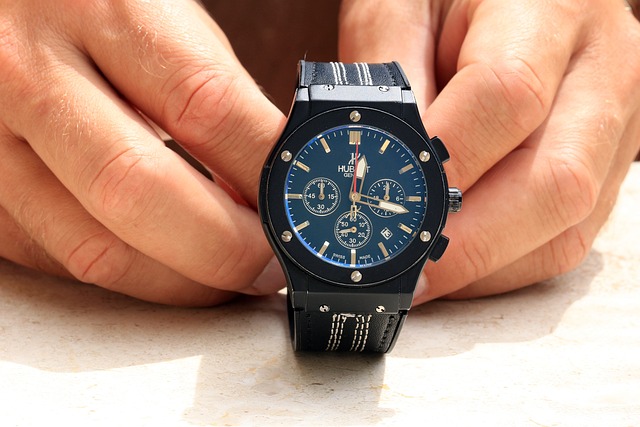
Watch Repair 101: How to Keep Your Timepieces Ticking for Years to Come
Have you ever found yourself entranced by the intricate movements of a well-crafted watch? The beauty, precision, and craftsmanship of timepieces are truly mesmerizing, and for many watch enthusiasts, they are more than just a fashion accessory – they are an extension of their personality. But what if your beloved watch suddenly stops working or, even worse, begins to run erratically? If you really love your collection, the chance is you want it to keep ticking for a long time. But just like any other device, watches require repairs to get them back running smoothly as usual. If you are new to the world of horology, don’t worry – watch repair is not as complicated as you might think. In this guide, we have outlined some of the best practices to help you keep your timepieces in top condition.
When to Seek Professional Jewellery and Watch Repairs
 Have you noticed your watch running slower than usual or perhaps skipping a beat? These could be signs that it’s time to seek professional jewellery and watch repairs. While some minor issues, like changing the battery, can be handled at home, more complex problems require the expertise of a skilled repair specialist. Find out more about these problems and how to fix them at https://www.stgyles.co.uk/jewellery-and-watch-repairs-northampton/. If your watch stops working altogether or if you hear unusual ticking sounds, it’s best not to delay in seeking professional assistance.
Ignoring these warning signs may end up making the damage even worse and potentially costlier repairs down the line. Remember, timely intervention can often prevent small issues from escalating into major complications.
Common Watch Repairs
But what watch repairs do people often need? What issues tend to crop up more frequently than others? One of the most common problems is a dead battery. If your watch has stopped ticking, it may simply need a new battery to get back in working order. Another frequent issue is water damage. Watches are often exposed to moisture, whether from washing hands or sweating during workouts. Over time, it can trap moisture to seep into the watch and damage its internal components. Additionally, broken crystals and scratched dials are common aesthetic issues that many people seek repairs for.
How to Find a Trustworthy Jewellery and Watch Repair Specialist
Looking for a trustworthy jewellery and watch repair specialist can be quite complicated. Still, with the right steps, you’ll be steps closer to finding the perfect professional for your timepiece repair needs. Start by asking friends or family for recommendations—personal referrals are often the best way to find reliable professionals. Then, make sure to inquire about their certifications and experience in handling various types of watches. When reaching out to potential repair specialists, ask questions about their process, pricing, and turnaround times. A professional who is transparent about these aspects is more likely to provide quality service. Of course, you can always visit the repair shop if possible to see their workspace and gauge their professionalism firsthand.
Watch Care and Maintenance Tips
 Once your timepiece is fixed, you surely want it to keep ticking for years. Your timepiece is more than just a tool to tell time; it’s a reflection of your style and personality. Proper care and maintenance are key. Avoid exposing your watch to certain degree temperatures or strong magnetic fields, as they can easily affect its accuracy. Also, when not in use, be sure to store your timepiece collection in a dry, cool place away from direct sunlight. If the timepiece is water-resistant, make sure the crown is fully pushed in before coming into contact with water.
Of course, consider getting your timepiece collection serviced every three to five years by a watch repair professional to ensure optimal performance. They can check for any internal issues that may need addressing. By knowing when to seek professional watch repairs, understanding common issues that may arise, finding a trustworthy repair specialist, and following proper maintenance tips, you can keep your watches ticking for years to come. So, next time you notice any issues with your beloved timepiece, don’t hesitate to take action. Your watches will thank you for it.
…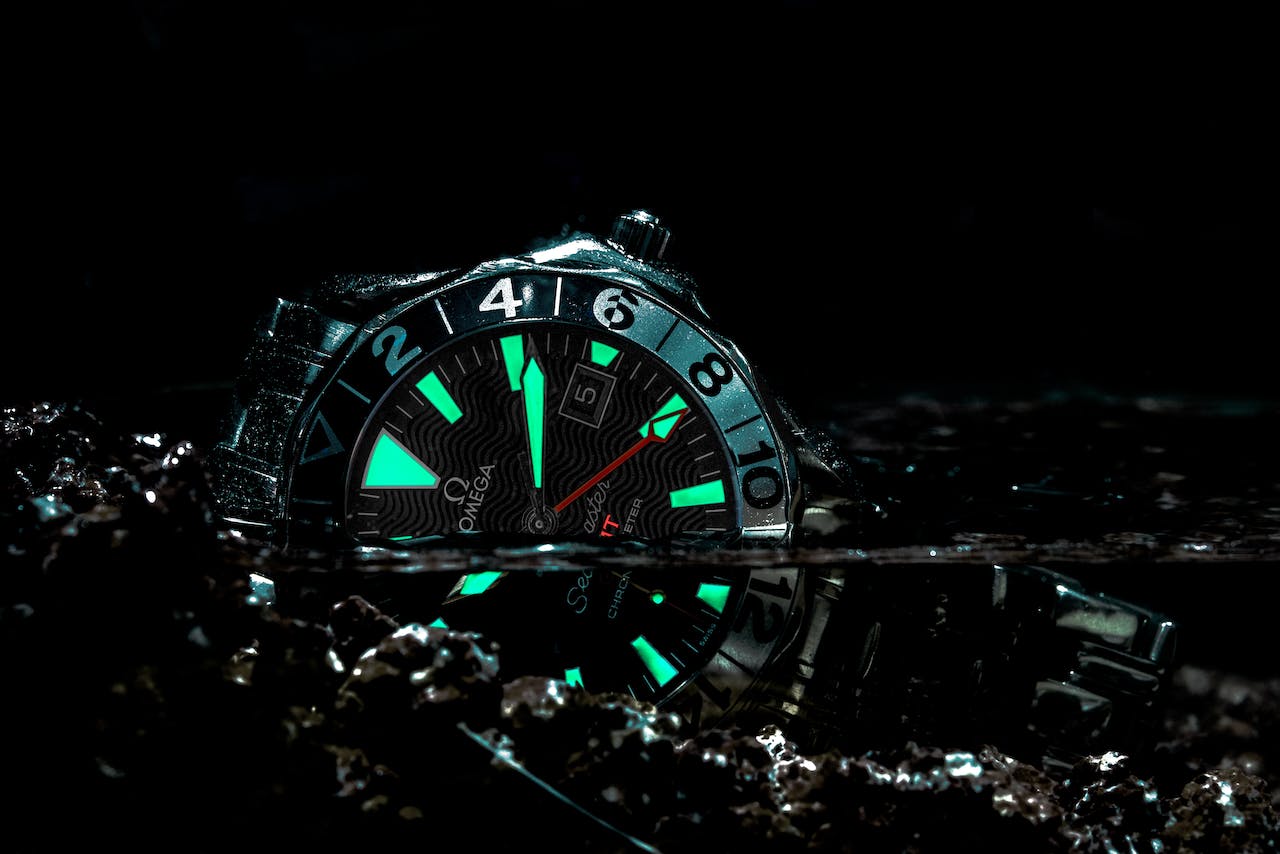
 Basically, these ratings indicate the depth and pressure at which your watch can withstand without letting water in. The first thing you need to know is that not all watches are created equal when it comes to underwater use. Different watches have different levels of water resistance, so it’s important to choose one that aligns with your activities. Water resistance ratings are typically measured in meters or atmospheres (ATMs). For example, a watch with a rating of 50 meters (5 ATM) means it can handle light splashes and brief immersion in shallow water, while a higher rating like 200 meters or 20 ATM indicates its suitability for recreational diving.
 So, what exactly is a helium escape valve? Well, when professional divers spend extended periods in pressurized environments such as diving bells or saturation chambers, tiny helium molecules can seep into their watches through the seals.
 What do you need from your bathroom? Do you want a luxurious spa-like retreat or a simple and functional space? Depending on your needs, you’ll want to look for different things in a bathroom upgrade.


 There will be some ways to save you a few dollars on your subscription fees. You don’t have to cancel every single membership and subscription, but if you cover many services that offer comparable rates, you may choose to cancel one and keep another. If you have financing and are concerned that you can’t afford the payments, contact your lender and ask if there are ways to reassess or reduce your loan obligations temporarily. Therefore, you could minimize your spending and allocate some budget for other emergencies.

 There are many legends doing rounds that have led to a decline in the popularity of secured loans. People today believe that by offering a home as collateral, they will need to look for a house elsewhere until they repay the amount advanced. People only transfer ownership rights and not the right to dwell in the home. The bank or lending entity can lay claim to the house only when the borrower doesn’t pay back the loan in full.